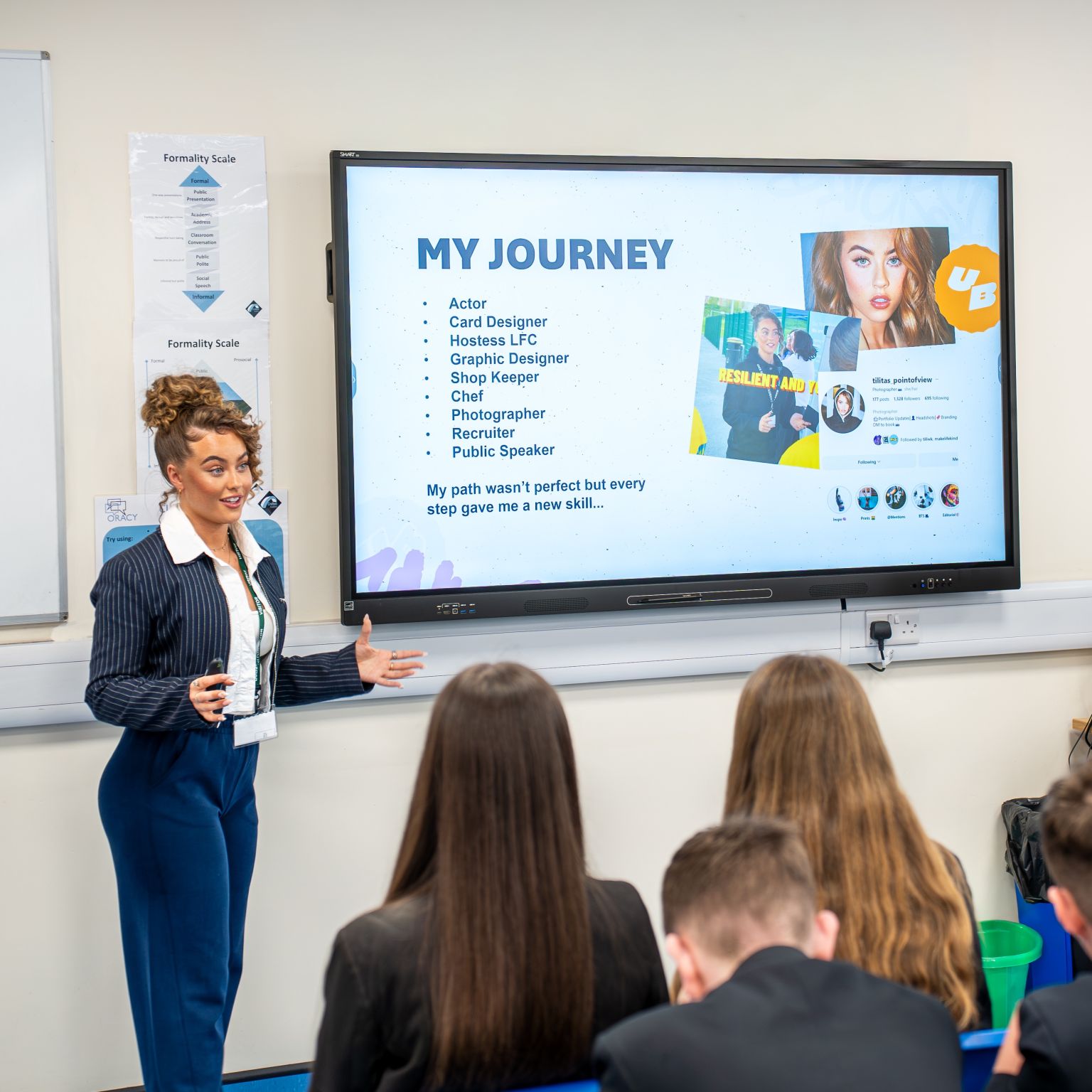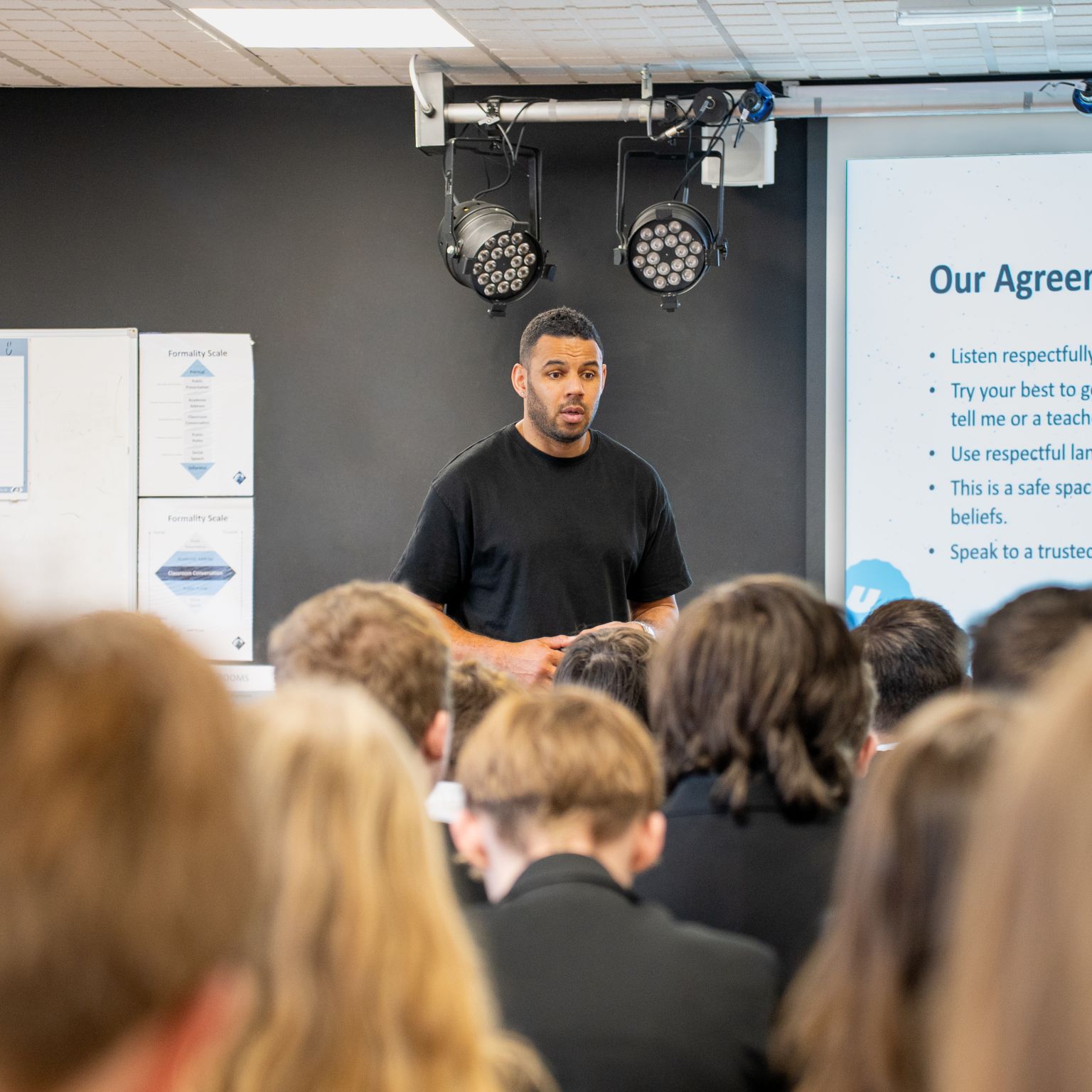










Cover supervisor jobs are a strong route into schools for people who are confident working with young people and want classroom-based experience. The role can suit graduates, aspiring teachers, experienced teaching assistants and candidates with transferable skills from coaching, tutoring, youth work or support roles.
A cover supervisor does not usually plan lessons in the same way as a teacher. Instead, they supervise classes when the usual teacher is absent and help pupils stay focused on work that has already been set.
At Milk Education, we usually look for candidates who have experience working with young people, experience within school settings, or relevant transferable skills from roles such as childcare, care, youth work, tutoring, mentoring, coaching, SEND support, support work or volunteering. This helps us match candidates to roles where they can feel prepared, confident and ready to support pupils.
What a cover supervisor does
The main responsibility of a cover supervisor is to manage the classroom so pupils can continue learning. This means setting expectations, explaining the task, keeping pupils on track and following school behaviour policies.
The role requires confidence because you may be working with different classes, year groups and subjects. You do not need to be an expert in every subject, but you do need to be able to lead the room calmly and professionally.
Do you need QTS?
Cover supervisor roles usually do not require qualified teacher status. This is one reason the role is popular with graduates and aspiring teachers who want classroom experience before deciding whether to train as a teacher.
However, it is not a role with no responsibility. Schools expect cover supervisors to be reliable, safeguarding aware and confident working with pupils. Experience with young people or transferable skills from relevant roles can be very helpful.
Experience that can help
Milk Education usually looks for candidates with experience working with young people, school-based experience or relevant transferable skills. This could include sports coaching, youth work, tutoring, mentoring, childcare, care work, support work or volunteering.
What matters is your ability to communicate clearly, manage behaviour calmly and act as a positive role model. If you have led groups, supported young people or worked in a role that required resilience, those skills may transfer well into cover supervision.
What schools look for
Schools value cover supervisors who can walk into a classroom and create a calm, focused environment. Organisation, punctuality and confidence are important because pupils need to know what is expected from the start of the lesson.
Resilience is also important. Not every lesson will go exactly to plan, so cover supervisors need to stay calm, follow school procedures and ask for support when needed.
Why the role is useful before teaching
Cover supervisor work can help you understand whether teaching is the right path. You will see how different schools operate, how pupils respond to different approaches and how classroom routines support learning.
It can also help you build examples for future applications. You may be able to talk about behaviour management, communication, adapting to different groups and supporting pupils in a school environment.
How Milk Education can help
Milk Education supports candidates looking for cover supervisor jobs, graduate cover supervisor roles, classroom cover roles, teaching assistant jobs and SEND support roles.
If you have experience working with young people, school-based experience or relevant transferable skills, cover supervisor roles could be a great next step. Call Milk Education on 0333 360 1110 or register with us today.
How to make your application stronger
A strong application should make your relevant experience easy to understand. Instead of only listing previous job titles, explain the people you supported, the responsibilities you had and the skills you used. Schools want to know that you can communicate clearly, follow guidance and act professionally around children and young people.
It is useful to include examples from school settings, childcare, care, youth work, tutoring, mentoring, coaching, SEND support or support work. These examples can show that you understand patience, reliability, safeguarding awareness and the importance of building trust with pupils.
You should also be honest about the settings you feel confident in. Some candidates are better suited to primary classrooms, while others prefer secondary, SEND, alternative provision or one-to-one support. Clear preferences help Milk Education match you with roles that suit your experience and goals.
What to expect after registering
After you register, the next step is usually a conversation about your background, availability and the type of work you are looking for. This helps the team understand where you may be best placed and what roles could be realistic for your experience.
You may also need to complete compliance checks before starting work in a school. These checks are important because they help protect pupils, schools and candidates. Being organised with your documents and references can help the process move more smoothly.
Milk Education is here to support candidates who are serious about working in education and ready to bring the right attitude to schools. If you have experience working with young people, school-based experience or relevant transferable skills, call 0333 360 1110 to speak to our team.
Frequently Asked Questions
What does a cover supervisor do?
A cover supervisor supervises pupils when the usual teacher is absent. They deliver pre-prepared work, manage behaviour and keep pupils focused.
Do cover supervisors need QTS?
No. Cover supervisor roles usually do not require qualified teacher status, although schools expect professionalism, confidence and safeguarding awareness.
Do I need experience for cover supervisor jobs?
Milk Education usually looks for candidates with experience working with young people, school-based experience or relevant transferable skills from roles such as coaching, tutoring, mentoring, care, youth work or support work.
Are cover supervisor jobs good for graduates?
Yes. Cover supervisor jobs can be a great option for graduates who have relevant experience and want classroom experience before teacher training.
What skills do cover supervisors need?
Cover supervisors need communication, confidence, organisation, resilience, behaviour management and the ability to stay calm under pressure.
Can Milk Education help me find cover supervisor jobs?
Yes. Milk Education supports candidates looking for cover supervisor jobs, teaching assistant roles and other school-based opportunities.