








How To Improve Pupil Wellbeing In Schools: Staffing, PSHE And Support
Pupil wellbeing in schools depends on more than a single lesson, assembly or intervention. It is shaped by the relationships pupils build, the adults they trust, the routines they follow and the conversations they feel safe enough to have.
For school leaders, improving pupil wellbeing means addressing several connected challenges. These include staffing pressures, mental health concerns, safeguarding risks, online influences and the need to deliver effective personal development education.
However, creating the right support can be difficult when schools are already balancing attendance, behaviour, recruitment and curriculum demands.
That is where Milk Education and Unbottled, powered by Milk Education, can help.
Milk Education supports schools with teachers, teaching assistants, SEND staff, cover supervisors and long-term recruitment. Unbottled brings lived-experience speakers, educational workshops and structured PSHE learning into schools.
Together, they offer schools complementary ways to strengthen staffing, personal development and pupil wellbeing.
Why Is Pupil Wellbeing So Important in Schools?
Pupil wellbeing affects how young people experience school and engage with learning.
When pupils feel safe, supported and connected to trusted adults, they are better placed to participate in lessons, build relationships and ask for help.
However, schools are supporting pupils through a wide range of pressures, including:
- Anxiety, stress and emotional wellbeing concerns
- Bullying, peer pressure and social exclusion
- Social media, harmful online content and digital influence
- Body image, identity and self-confidence
- Unhealthy relationships and consent
- Exploitation, violence and risky behaviour
- Additional learning needs and communication barriers
- Transitions, changes at home and uncertainty about the future
These challenges do not always appear as a clear request for help.
A pupil experiencing difficulties may become withdrawn, struggle to concentrate, miss lessons or display behaviour that requires additional support.
That is why schools need a joined-up approach. Consistent staffing, effective pastoral relationships, appropriate safeguarding and meaningful personal development education all have a role to play.
Why Consistent Staffing Matters for Pupil Wellbeing
School staffing and pupil wellbeing are closely connected.
Teachers, teaching assistants, SEND support staff and pastoral teams often notice changes in pupils because they work with them regularly.
They learn how individual pupils communicate, what helps them feel settled and when something may be wrong.
The importance of familiar adults
For some pupils, particularly those with additional needs or difficulties managing change, familiar routines and trusted relationships can be especially important.
Unexpected staff absence can interrupt those routines. Meanwhile, repeated changes in classroom support may mean pupils need time to adjust to new adults.
Although supply staffing cannot remove every disruption, thoughtful recruitment and preparation can help schools maintain continuity.
Milk Education’s Familiar Faces approach focuses on building a network of educators who have already worked successfully within a school.
Where availability allows, suitable returning staff can be prioritised. This helps schools work towards greater consistency for pupils and existing teams.
Preparing staff to support individual school needs
Good supply recruitment involves more than finding someone with the right job title.
Staff also need to understand the setting they are entering.
Through Milk Education’s Your School Ready approach, educators receive relevant information about school expectations, routines, safeguarding arrangements and the pupils they may support.
This preparation helps supply teachers and support staff understand the environment before their assignment begins.
It can also reduce the time school teams spend explaining everyday processes to new starters.
Need reliable classroom or pastoral support? Explore Milk Education’s recruitment services for schools or contact our team.
Why Wellbeing Conversations Need More Than a One-Off Assembly
Assemblies can introduce important topics and encourage pupils to think differently. However, meaningful personal development also requires opportunities for discussion, reflection and continued learning.
Consider online safety.
A pupil may understand that harmful online content exists without recognising the influence of group chats, manipulated images or pressure from online communities in their own life.
Similarly, a lesson about mental health may introduce useful information without giving every pupil the confidence to talk about their experiences.
Schools therefore need approaches that combine accurate information with relatable examples and appropriate staff guidance.
This is central to Unbottled’s approach to education.
Unbottled brings together people with relevant lived experience and structured educational delivery. The aim is to help pupils connect what they learn with the situations they may encounter beyond the classroom.
Unbottled Live: Bringing Real Experiences Into Schools
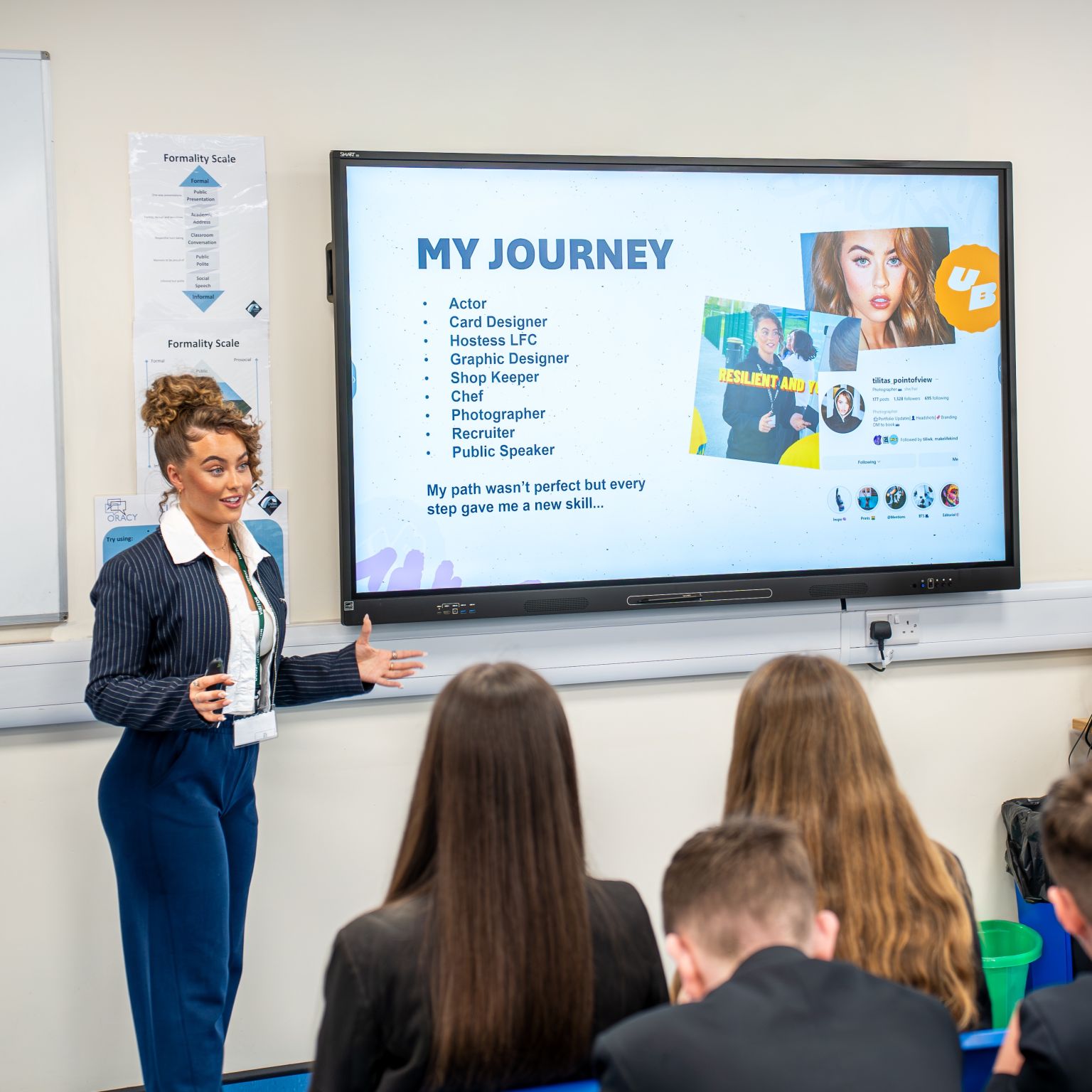
Unbottled Live offers schools access to lived-experience speakers and specialists who deliver sessions around issues affecting children and young people.
Rather than relying only on general advice, sessions draw on real experiences to help pupils understand choices, consequences, resilience and support.
What can schools book through Unbottled Live?
Unbottled Live offers several forms of school support:
- Assemblies and workshops: Engaging sessions for year groups or larger pupil audiences.
- PSHE drop-down days: Focused learning around selected themes, speakers and activities.
- Targeted interventions: Smaller-group sessions adapted to pupils requiring additional support.
- Staff CPD: Professional development around difficult conversations, trauma-informed practice and recognising concerns.
- Parent and carer sessions: Helping families understand issues affecting young people and continue conversations at home.
- Optional pupil drop-ins: Safeguarding-led opportunities for appropriate follow-up after sessions.
Delivery can be adapted for different educational settings, including primary schools, secondary schools, SEND provision, alternative provision and pupil referral units.
Four key areas of personal development
Unbottled organises its lived-experience speakers around four broad pillars.
- Mind and Wellbeing: Mental health, body image, resilience and emotional wellbeing.
- Real World and Risk: Exploitation, knife crime, substance misuse and risky decisions.
- Identity and Inclusion: Belonging, equality, confidence and understanding difference.
- Respect and Relationships: Healthy relationships, harmful attitudes, consent and online behaviour.
These areas allow schools to choose support based on their pupils’ needs rather than selecting a generic assembly programme.
Schools can meet Unbottled’s lived-experience speakers or enquire about sessions suited to their setting.
Headspace: Supporting Mental Health Education in Schools
Mental health is an important part of personal development. However, talking about emotions, stress and difficult experiences can feel challenging for both pupils and staff.
Some pupils may not recognise when they need support. Others may understand mental health terminology but struggle to connect it with their own experiences.
Headspace is Unbottled’s mental health education topic, designed to help schools approach these conversations through lived-experience learning.
What is the Headspace programme?
Headspace is part of the developing Unbottled Online platform for Key Stages 3 and 4.
The unit features Ben Davie, a fitness, movement and mindset coach, whose lived-experience content provides a starting point for teacher-led discussions.
It is designed as five structured lessons, with versions for KS3 and KS4.
Each lesson combines expert-led video with activities, learning objectives and guidance for staff.
How can Headspace help schools?
Headspace is designed to support mental health education by giving pupils opportunities to:
- Explore mental health and emotional wellbeing
- Reflect on real-life experiences
- Discuss challenging situations in a structured setting
- Consider appropriate ways to seek help
- Develop their understanding of wellbeing and personal development
Teachers remain responsible for leading lessons and responding to the needs of their pupils.
The programme includes safeguarding-focused guidance to support staff before and during sensitive discussions.
Headspace is an educational resource, not a replacement for counselling, clinical mental health care or a school’s safeguarding procedures.
Discover Unbottled’s Headspace mental health lessons.
Unbottled Online: Continuing Wellbeing Education in the Classroom
One of the challenges schools face is maintaining learning after a successful workshop or assembly.
A powerful speaker can start a conversation. Yet pupils also need opportunities to revisit issues, develop understanding and practise applying what they have learned.
Unbottled Online is being developed to support that continued learning.
Scheduled to launch in January 2027, the platform is designed for KS3 and KS4 PSHE education.
How does Unbottled Online work?
The platform combines lived-experience video with ready-to-teach lessons that school staff deliver.
Its planned structure includes:
- 12 essential PSHE topics
- Five lessons per topic
- KS3 and KS4 versions
- Approximately 60 minutes per lesson
- Expert-led video content
- Staff delivery prompts and lesson guidance
- Activities and resources for mixed-ability groups
- Safeguarding-focused preparation and discussion guidance
- Curriculum mapping and parent communication resources
Staff introduce the learning, play and pause the videos, lead discussions and guide follow-up activities.
This structure is designed to support teacher confidence and consistency across classrooms.
Which wellbeing and safeguarding topics are included?
The planned learning covers issues that many schools already address through PSHE, RSHE and personal development.
Topics include mental health, bullying, knife crime, exploitation, drugs and vaping, digital resilience, healthy relationships, anti-racism, body confidence, equality, misogyny and financial wellbeing.
For example, schools concerned about harmful online influence could explore digital resilience and deepfake awareness.
Schools looking to strengthen respectful relationships and reduce harmful peer behaviour could explore Unbottled’s bullying and kindness education.
These topics can complement existing schemes of work rather than requiring schools to replace their whole PSHE curriculum.
Supporting teachers with sensitive conversations
Teaching difficult subjects requires careful preparation.
Staff may need to manage unexpected questions, differing pupil experiences or safeguarding disclosures.
Unbottled Online is designed to include staff guidance around sensitive discussions, lesson preparation and appropriate next steps.
It does not replace school policies or the responsibilities of safeguarding leads.
Schools can request an Unbottled Online demonstration or join the waiting list ahead of the planned launch.
How Schools Can Build a Whole-School Wellbeing Approach
Strong pupil wellbeing provision works best when schools connect their existing support rather than relying on isolated activities.
Here are five practical steps school leaders can consider.
1. Identify your pupils’ main needs
Use existing pastoral information, pupil feedback, attendance patterns and safeguarding insights to identify areas requiring attention.
For example, a school might identify growing concerns about online conflict, friendship issues or emotional regulation.
This can help leaders choose relevant staffing, enrichment and curriculum support.
2. Protect consistency in the school day
Review how staffing gaps affect classroom routines, SEND provision and pastoral support.
Where possible, develop access to reliable educators who understand the school and its expectations.
Milk Education can help schools plan for temporary and longer-term staffing requirements.
3. Choose enrichment based on actual needs
A session will usually be more relevant when it responds to a clear priority.
For example, a school concerned about online bullying could explore a targeted Unbottled Live session alongside its existing online safety and anti-bullying education.
This creates a clearer connection between the session and the school’s wider priorities.
4. Plan follow-up before the session takes place
Decide what pupils will do after an assembly or workshop.
This may include tutor-time discussion, PSHE lessons, signposting to support or staff-led reflection.
School staff should also know how to respond if a pupil raises a safeguarding concern.
5. Review what pupils and staff need next
Gather appropriate feedback and consider what has changed.
Schools might review pupil understanding, staff confidence, participation and whether further support is needed.
No single workshop can guarantee better attendance, behaviour or mental health. However, regular review can help schools improve the support they provide.
Supporting SEND, SEMH and Alternative Provision Settings
Pupil wellbeing support needs to reflect the needs of each educational setting.
Some pupils may require adapted communication, smaller groups, additional preparation or a different approach to sensitive topics.
Unbottled Live can tailor delivery for SEND settings, social, emotional and mental health needs, alternative provision and pupil referral units.
This may include relationship-led workshops, adapted pacing and smaller-group activities.
Similarly, Milk Education supports schools in recruiting SEND teaching assistants, learning support staff and other specialist educators.
Schools should discuss individual needs, accessibility and safeguarding requirements before arranging either staffing or enrichment support.
Milk Education and Unbottled: Two Ways to Support Your School
Staffing and pupil enrichment serve different purposes, but both contribute to the wider school experience.
Milk Education helps schools access suitable staff, prepare educators for their placements and work towards greater consistency.
Unbottled, powered by Milk Education, helps schools explore real-world issues through lived-experience learning, personal development sessions and PSHE support.
For school leaders, this creates opportunities to think more broadly about recruitment, staff preparation, pupil voice and personal development.
Unbottled services are arranged separately from Milk Education’s recruitment agreements. Schools can discuss the most suitable options with each team.
Build a Stronger Approach to Pupil Wellbeing
Improving pupil wellbeing in schools requires the right combination of relationships, routines, education and support.
Reliable staffing helps schools maintain continuity. Meaningful conversations help pupils understand the challenges they face. Well-planned PSHE and enrichment can connect those conversations to continued learning.
Milk Education and Unbottled support these priorities in complementary ways.
Need teaching and support staff?
Milk Education can help your school access supply teachers, teaching assistants, SEND staff, cover supervisors and longer-term recruitment support.
Contact Milk Education about your staffing requirements.
Looking for pupil wellbeing and enrichment support?
Explore lived-experience assemblies, targeted workshops, staff CPD and upcoming PSHE learning resources.
Discover Unbottled Live for schools.
For Unbottled enquiries, email hello@unbottled.co.uk or call 0151 519 0800.
Right people. Meaningful conversations. Continued support for your pupils.
Frequently Asked Questions About Pupil Wellbeing in Schools
How can schools improve pupil wellbeing?
Schools can support pupil wellbeing through trusted adult relationships, consistent staffing, effective pastoral care, safeguarding, pupil voice and structured personal development education. Regular review helps schools identify where additional support is needed.
What is Unbottled Live?
Unbottled Live provides lived-experience speakers, school assemblies, workshops, targeted interventions, staff CPD and parent sessions. Delivery can be adapted to different ages, settings and pupil needs.
What is the Unbottled Headspace programme?
Headspace is Unbottled’s mental health education topic for KS3 and KS4. It forms part of the developing Unbottled Online platform and includes lived-experience video, structured lessons, activities and staff guidance.
How does consistent staffing support pupil wellbeing?
Consistent staffing helps schools maintain familiar routines and trusted relationships. Suitable supply teachers, teaching assistants and SEND staff can provide continuity when schools experience absence or recruitment gaps.
Can Unbottled support SEND and alternative provision?
Yes. Unbottled Live can adapt sessions for SEND, SEMH, alternative provision and pupil referral units. Schools should discuss individual communication, accessibility and safeguarding requirements when arranging support.
Can schools access both Milk Education and Unbottled?
Yes. Schools can work with Milk Education for recruitment and staffing support, and Unbottled for lived-experience enrichment and personal development education. The services are arranged separately.