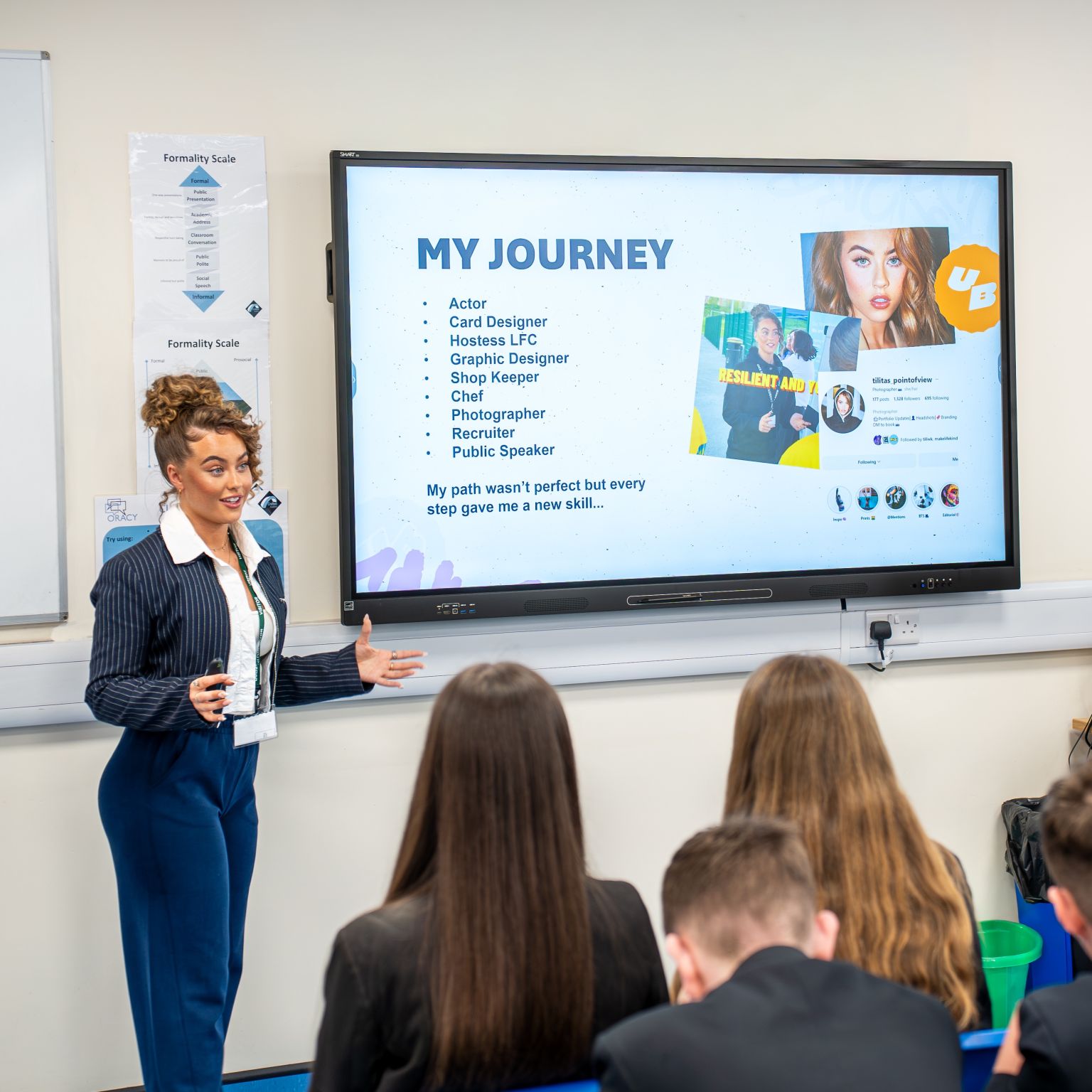











Teaching assistants are essential to the smooth running of many schools.
They support pupils, assist teachers, help with routines, provide one-to-one support and play a key role in creating positive learning environments.
For schools facing staffing pressure, rising pupil needs and increasing workload, teaching assistants can make a real difference.
At Milk Education, we support schools with teaching assistant recruitment, SEND teaching assistants, learning support assistants and classroom support staff.
What does a teaching assistant do?
A teaching assistant supports teachers and pupils throughout the school day.
The role can vary depending on the school, year group and pupil needs, but responsibilities often include:
- Supporting pupils with classwork
- Helping the teacher prepare resources
- Working with pupils one-to-one
- Supporting small groups
- Helping with reading, writing and numeracy
- Supporting behaviour and routines
- Encouraging pupil confidence
- Supporting pupils with SEND
- Helping with classroom organisation
- Providing feedback to teachers
Teaching assistants help pupils access learning and help teachers focus on lesson delivery.
How teaching assistants reduce teacher workload
Teachers manage planning, teaching, assessment, behaviour, communication and pupil support.
Teaching assistants can reduce pressure by helping with practical classroom support.
This may include:
- Preparing learning resources
- Supporting pupils during tasks
- Helping small groups stay focused
- Encouraging pupils who need extra help
- Supporting classroom routines
- Helping manage transitions
- Giving teachers more time to teach
- Providing additional adult presence in the room
When used effectively, teaching assistants can make the classroom feel calmer, more supported and better organised.
Supporting pupils one-to-one
Some pupils need individual support to access learning.
Teaching assistants can provide one-to-one help for pupils who need additional guidance, confidence or structure.
This may include:
- Reading support
- Writing support
- Numeracy support
- Behaviour support
- Emotional support
- SEND support
- Communication support
- Help following instructions
One-to-one support can help pupils feel more included and less overwhelmed.
Supporting small groups
Teaching assistants often work with small groups of pupils.
Small group support can help pupils practise key skills, revisit learning or build confidence.
This can be especially useful for:
- Phonics
- Reading
- Maths
- Writing
- Intervention work
- Catch-up support
- SEND support
- EAL support
Small group work allows pupils to receive more focused attention.
SEND teaching assistants
SEND teaching assistants support pupils with special educational needs and disabilities.
This can include pupils with autism, ADHD, speech and language needs, learning difficulties, social and emotional needs, physical disabilities or sensory needs.
SEND teaching assistants may help with:
- One-to-one support
- Emotional regulation
- Communication
- Routines
- Behaviour strategies
- Sensory needs
- Personal care where required
- Inclusion in class activities
For schools, having the right SEND support can make a major difference to pupil wellbeing and classroom stability.
Teaching assistants and behaviour support
Teaching assistants can also help support positive behaviour.
They may help pupils stay focused, follow routines, manage emotions and re-engage with learning.
This support can reduce disruption and help teachers maintain a positive classroom environment.
Strong teaching assistants are calm, patient, consistent and able to build positive relationships with pupils.
Temporary and long-term teaching assistant recruitment
Schools may need teaching assistants for different reasons.
Temporary teaching assistant cover can help with absence, short-term pupil needs or immediate classroom pressure.
Long-term teaching assistant placements can support:
- SEND provision
- EHCP support
- Intervention programmes
- Class-based support
- Behaviour support
- Long-term absence
- Permanent recruitment gaps
Milk Education can help schools find teaching assistants for both short-term and long-term needs.
What schools should look for in a teaching assistant
A strong teaching assistant should be:
- Patient
- Reliable
- Calm
- Supportive
- Professional
- Organised
- Flexible
- A good communicator
- Confident with pupils
- Able to follow instructions
- Committed to safeguarding
- Willing to learn
Experience is useful, but attitude and suitability are also very important.
How Milk Education supports teaching assistant recruitment
Milk Education helps schools find teaching assistants, learning support assistants and SEND support staff.
We take time to understand your school, the role, the pupils and the type of candidate who would be the right fit.
We can support with:
- Teaching assistants
- SEND teaching assistants
- Learning support assistants
- Behaviour support assistants
- Early years support staff
- Graduate teaching assistants
- Long-term TA placements
- Daily classroom support
- Permanent support staff recruitment
Speak to Milk Education about TA recruitment
If your school needs teaching assistants or classroom support staff, Milk Education can help.
We support schools with reliable, suitable and compliant candidates for a wide range of teaching assistant roles.
Speak to Milk Education today about your teaching assistant recruitment needs.
Frequently Asked Questions
How do teaching assistants support schools?
Teaching assistants support schools by helping pupils access learning, supporting teachers, working one-to-one, leading small groups and helping with classroom routines.
Can teaching assistants reduce teacher workload?
Yes. Teaching assistants can reduce pressure by supporting pupils, preparing resources, helping with interventions and providing additional classroom support.
Can Milk Education provide teaching assistants?
Yes. Milk Education supports schools with teaching assistants, learning support assistants, SEND teaching assistants and classroom support staff.
What is the difference between a teaching assistant and a learning support assistant?
A teaching assistant usually supports classroom learning more broadly, while a learning support assistant may focus more closely on individual pupils or pupils with additional needs.
Can schools hire temporary teaching assistants?
Yes. Schools can use temporary teaching assistants for absence cover, SEND support, intervention work or short-term classroom support.
Does Milk Education provide SEND teaching assistants?
Yes. Milk Education supports schools with SEND teaching assistants and specialist support staff.