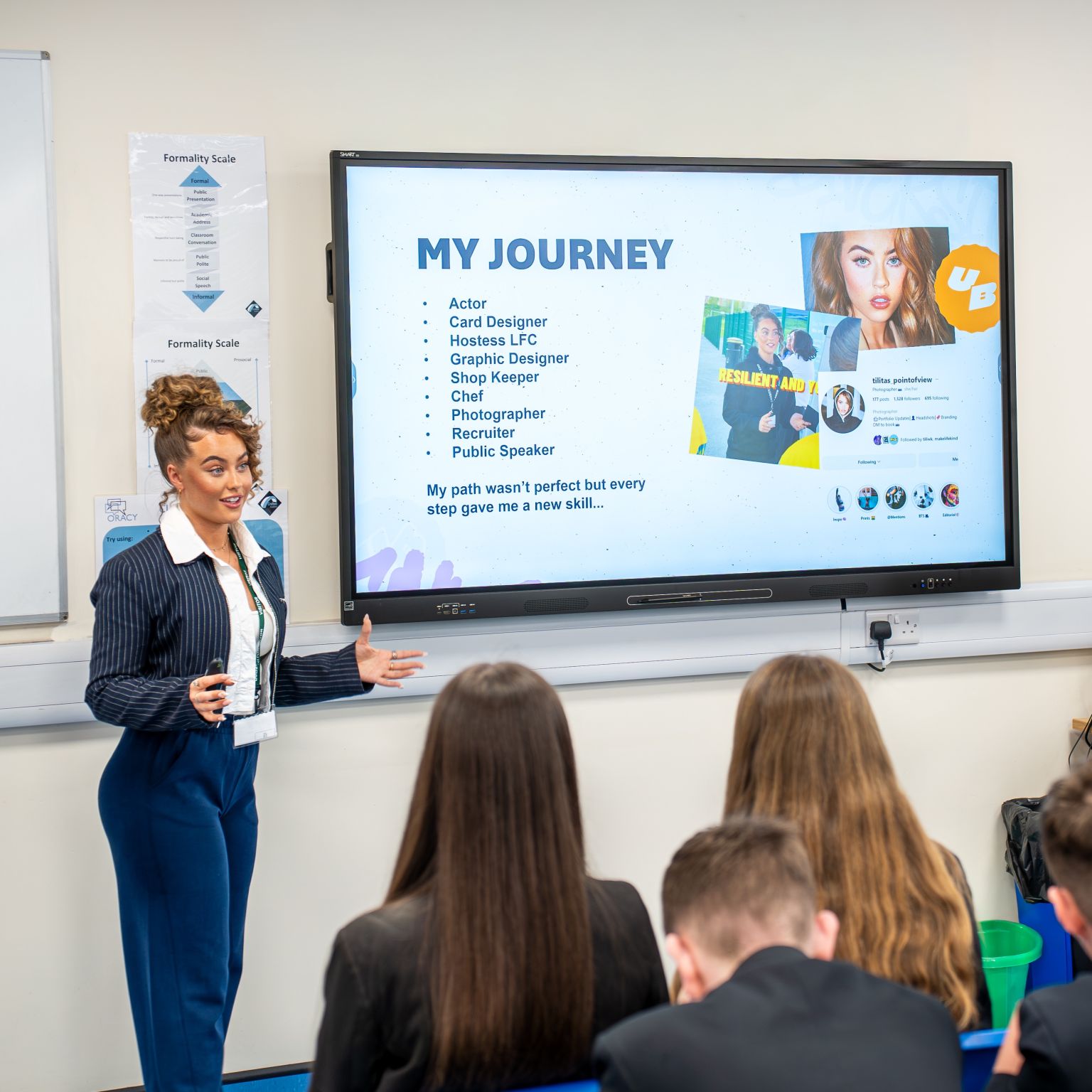











Searching for teaching assistant jobs near you? Teaching assistant roles are a brilliant way to work in schools, support pupils and build a career in education.
A teaching assistant can make a real difference to the classroom. The role is often about noticing the pupils who need a little extra support, helping them stay focused and giving teachers the confidence that learners are being supported throughout the day.
At Milk Education, we usually look for candidates who have experience working with young people, experience within school settings, or relevant transferable skills from roles such as childcare, care, youth work, tutoring, mentoring, coaching, SEND support, support work or volunteering. This helps us match candidates to roles where they can feel prepared, confident and ready to support pupils.
What a teaching assistant does day to day
A teaching assistant supports pupils and teachers throughout the school day. This can include helping pupils understand tasks, supporting reading or numeracy, working with small groups and helping the class teacher maintain routines.
In some schools, a teaching assistant may work mostly with one class. In others, they may support different groups or individual pupils. The role can also include SEND support, behaviour support and helping pupils build confidence with learning.
What experience helps you apply
Teaching assistant jobs are often suitable for candidates who have some experience supporting children, young people or vulnerable people. This does not always have to be years of paid school experience, but it should show that you understand responsibility, communication and the importance of supporting others safely.
Useful backgrounds can include school volunteering, nursery work, childcare, youth work, tutoring, mentoring, sports coaching, care work, support work, SEND support or behaviour support. What matters is being able to explain what you did, who you supported and what skills you developed.
The skills schools value most
Schools usually look for teaching assistants who are reliable, patient and calm. Good communication is important because you will be working with pupils, teachers and other support staff. You also need to be able to follow instructions and respond professionally when the classroom is busy.
Empathy is another key skill. Pupils may need support for many different reasons, including confidence, learning needs, behaviour, communication or emotional regulation. A good teaching assistant helps pupils feel understood while keeping expectations clear.
Different types of teaching assistant jobs
Teaching assistant roles can appear under several job titles. You may see learning support assistant, classroom assistant, SEND teaching assistant, behaviour support assistant, early years teaching assistant or graduate teaching assistant.
Each role has a slightly different focus. A learning support assistant may focus on pupils who need extra help with learning. A SEND teaching assistant may support pupils with additional needs. A general teaching assistant may help across the whole class.
How to make your CV stronger
Your CV should make your relevant experience easy to understand. Instead of only listing job titles, explain how you supported children or young people, how you communicated with others and how you handled responsibility.
If you have completed safeguarding training, SEND awareness, autism awareness, behaviour management or other CPD, include it. CPD does not replace practical experience, but it can show commitment and help your application feel more relevant.
How Milk Education can help
Milk Education supports candidates looking for teaching assistant jobs, learning support assistant roles, SEND teaching assistant jobs, classroom support roles and long-term school placements.
If you have experience working with young people, school-based experience or relevant transferable skills, Milk Education can help you explore suitable teaching assistant roles near you. Call 0333 360 1110 or register with Milk Education today.
How to make your application stronger
A strong application should make your relevant experience easy to understand. Instead of only listing previous job titles, explain the people you supported, the responsibilities you had and the skills you used. Schools want to know that you can communicate clearly, follow guidance and act professionally around children and young people.
It is useful to include examples from school settings, childcare, care, youth work, tutoring, mentoring, coaching, SEND support or support work. These examples can show that you understand patience, reliability, safeguarding awareness and the importance of building trust with pupils.
You should also be honest about the settings you feel confident in. Some candidates are better suited to primary classrooms, while others prefer secondary, SEND, alternative provision or one-to-one support. Clear preferences help Milk Education match you with roles that suit your experience and goals.
What to expect after registering
After you register, the next step is usually a conversation about your background, availability and the type of work you are looking for. This helps the team understand where you may be best placed and what roles could be realistic for your experience.
You may also need to complete compliance checks before starting work in a school. These checks are important because they help protect pupils, schools and candidates. Being organised with your documents and references can help the process move more smoothly.
Milk Education is here to support candidates who are serious about working in education and ready to bring the right attitude to schools. If you have experience working with young people, school-based experience or relevant transferable skills, call 0333 360 1110 to speak to our team.
Frequently Asked Questions
How do I find teaching assistant jobs near me?
You can find teaching assistant jobs near you by searching school job boards or registering with an education recruitment agency like Milk Education.
Do I need experience for teaching assistant jobs?
Most schools and agencies prefer candidates with some relevant experience, such as school experience, childcare, youth work, tutoring, mentoring, coaching, care work, support work or SEND support.
Does volunteering in a school count as experience?
Yes. Volunteering in a school can be valuable experience, especially if you supported pupils, helped with reading or observed classroom routines.
What skills do teaching assistants need?
Teaching assistants need communication, patience, reliability, empathy, teamwork, organisation and safeguarding awareness.
Can Milk Education help me find SEND teaching assistant jobs?
Yes. Milk Education supports candidates looking for SEND teaching assistant, learning support assistant and school support roles.
How do I register with Milk Education?
You can register your interest with Milk Education and the team will speak with you about your experience, availability, location and suitable school roles.